Rio Tinto celebrates Second Chance Education and Vocational Training Program for Women in Guinea
Forecariah, Republic of Guinea – Rio Tinto today held the closing ceremony for the ‘Second Chance Education and Vocational Training Program for Women in Guinea’ at Forecariah Youth Center, with the Prefect of Forécariah and several local stakeholders in attendance.
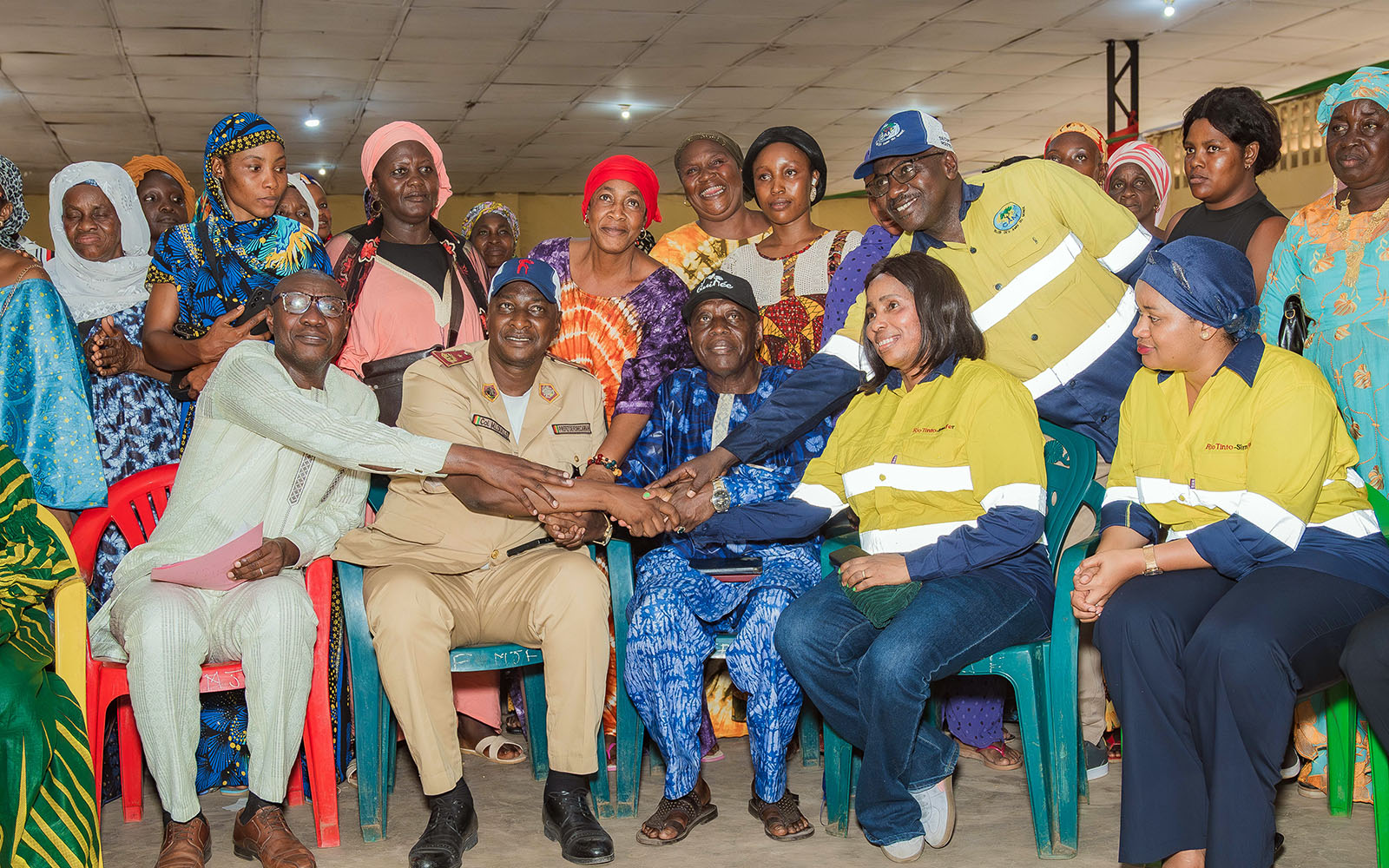
This event marked the end of a 24-month initiative bringing together key stakeholders, including representatives from the Ministry of Pre-University Education and Literacy (MEPUA) and beneficiaries, to celebrate the program’s results and impact. Launched as part of the partnership between the NGO the Club des Amis du Monde (CAM), local authorities and Rio Tinto, this pilot program aimed to improve literacy and promote the socio-professional and economic reintegration of 800 girls and women in the prefecture of Forécariah.
Through an integrated approach combining functional literacy, vocational training, and economic structuring, the programme has enabled participants to strengthen their skills, build sustainable future and seize new opportunities. This initiative also encourages collective entrepreneurship through the creation of Economic Interest Groups (GIEs), and aligns with the national guidelines defined by Guinea’s Decennial Education Program (ProDEG 2020–2029).
Safiatou Diallo, General Manager of Regional Economic Development at Rio Tinto Guinea, said: “This vocational training and second chance education programme for women illustrates the Simandou project’s impact on local community development. By providing access to knowledge and training, we are creating the conditions for autonomy, entrepreneurship and dignity.”
The achievements of this initiative will continue to empower women and girls in Guinea, thereby making a lasting contribution to national education and economic development goals.
Program Highlights:
- 789 beneficiaries successfully trained, achieving a 92% completion rate across 32 operational literacy centers
- 32 Economic Interest Groups (EIGs) created and approved in promising sectors such as agriculture, sewing, soap making, baking, and fishing
- 93% of beneficiaries engaged in income-generating activities
- 91 girls referred to further education or vocational training